
NOMADIC: John William Bailly
Exhibition Essay by George Kinghorn, Executive Director and Curator
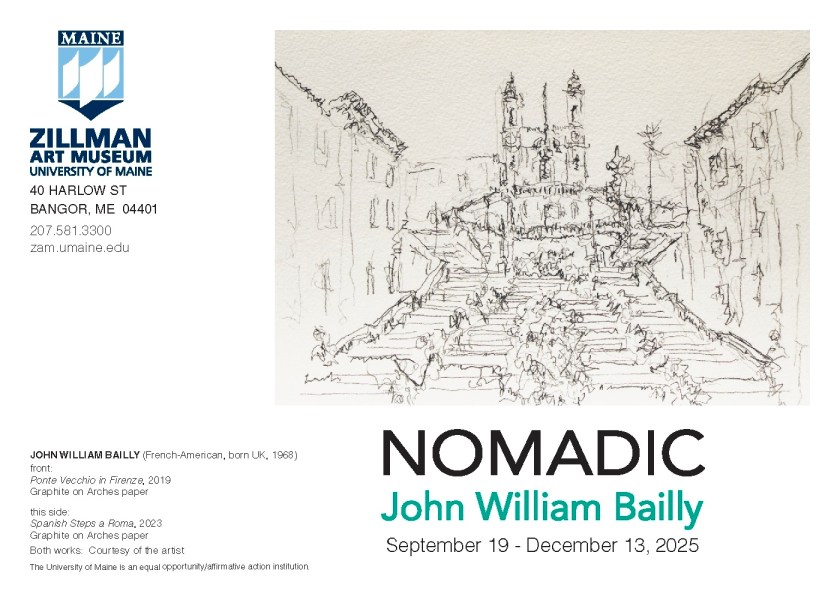
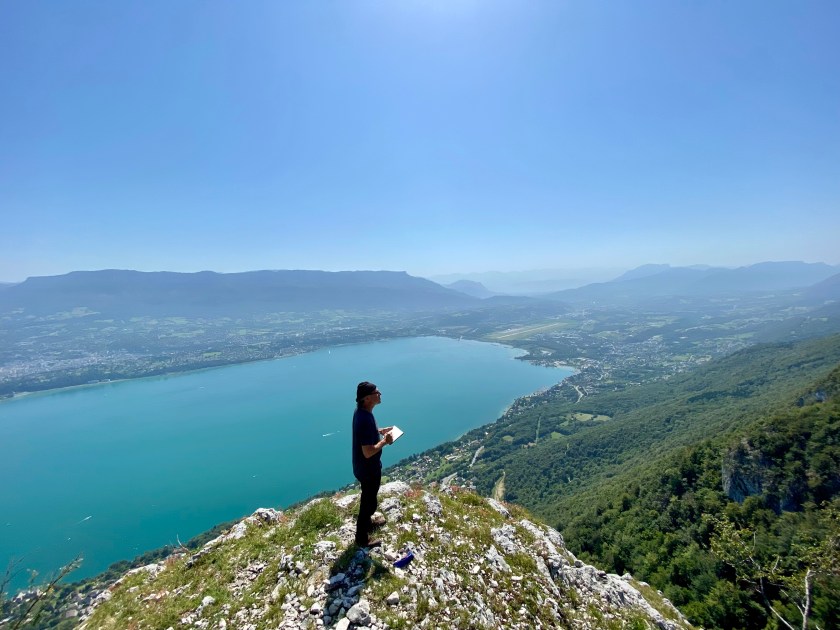
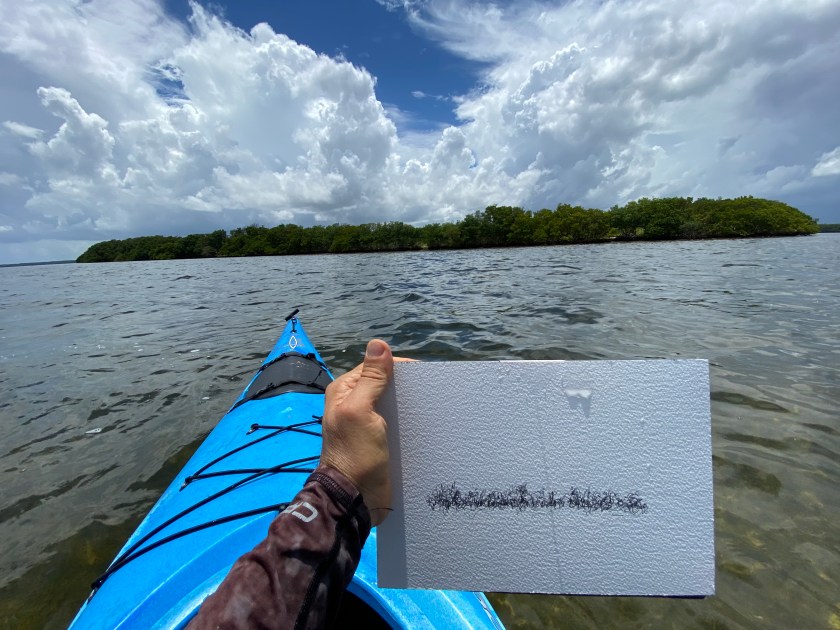
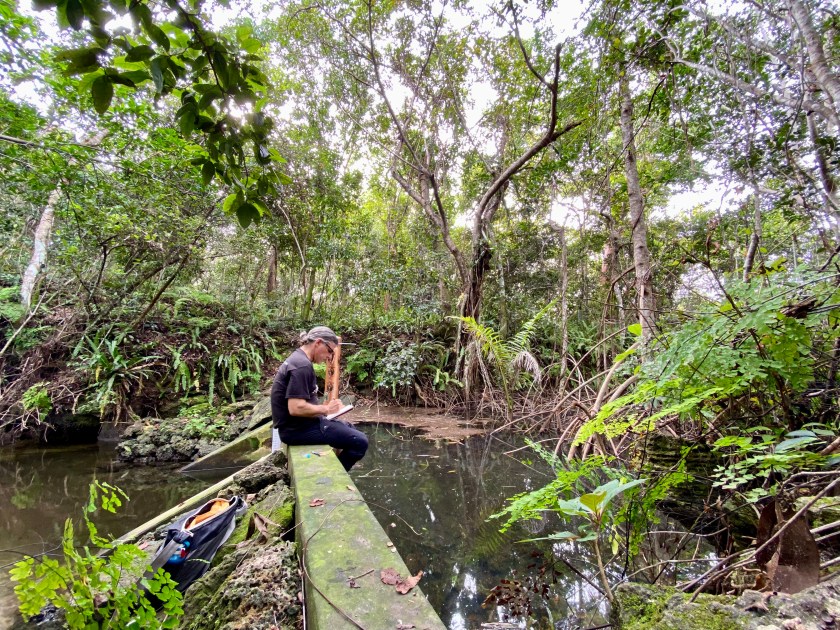
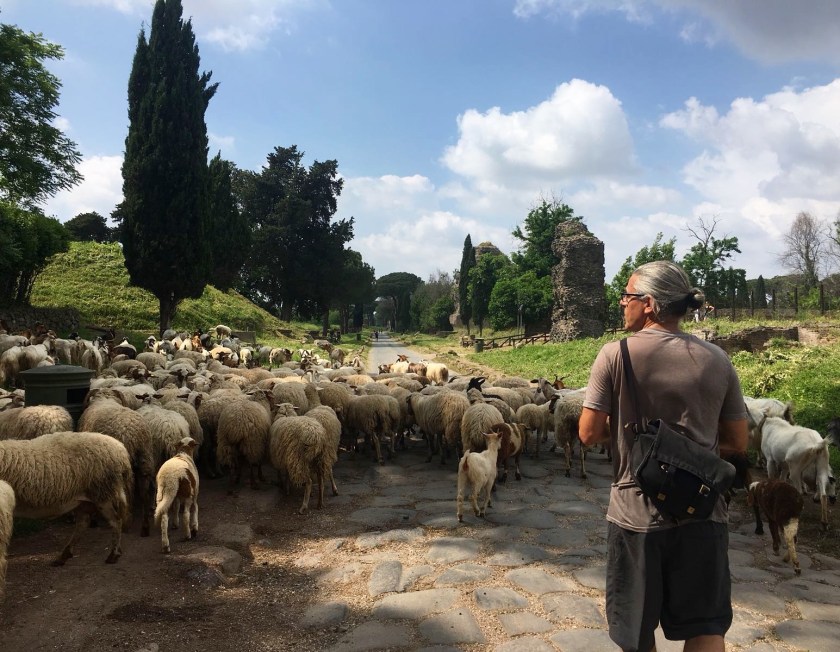
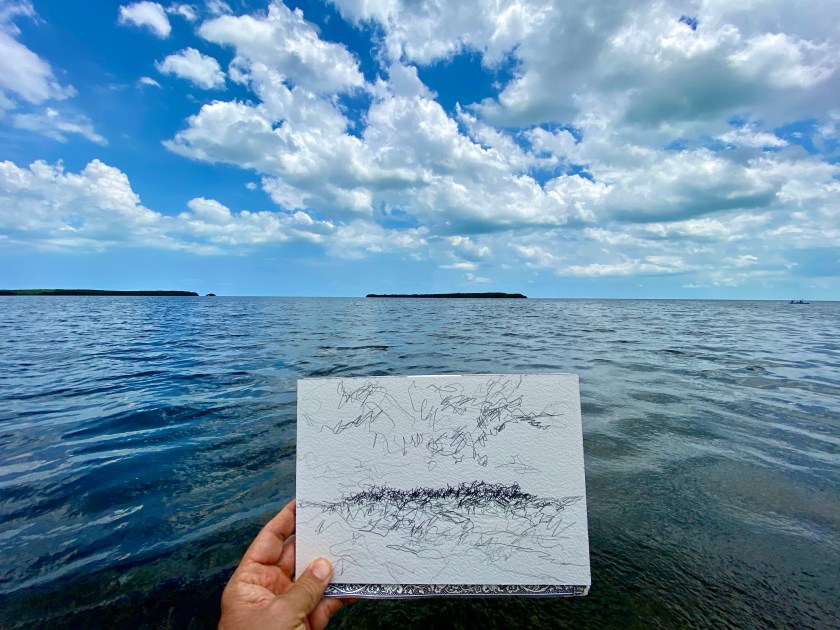
During his journeys around the globe, British-French-American artist John William Bailly is creating a subjective atlas of the world through an extensive series of plein air drawings. To date, Bailly has created over 600 drawings that depict settings from Cape Spartel in Morocco to the island of Ko Samui in Thailand. The selected works featured in Nomadic offer a glimpse into varied places—from architectural sites in celebrated cities to serene landscapes—that have inspired Bailly on his travels. European historical sites such as the Ponte Vecchio in Florence, Italy and Notre-Dame Cathedral in Paris, France are featured alongside images of locations in Southeast Asia including the Chao Phraya River in Bangkok, Thailand and Diện Kiến Trung in Hue, Vietnam.
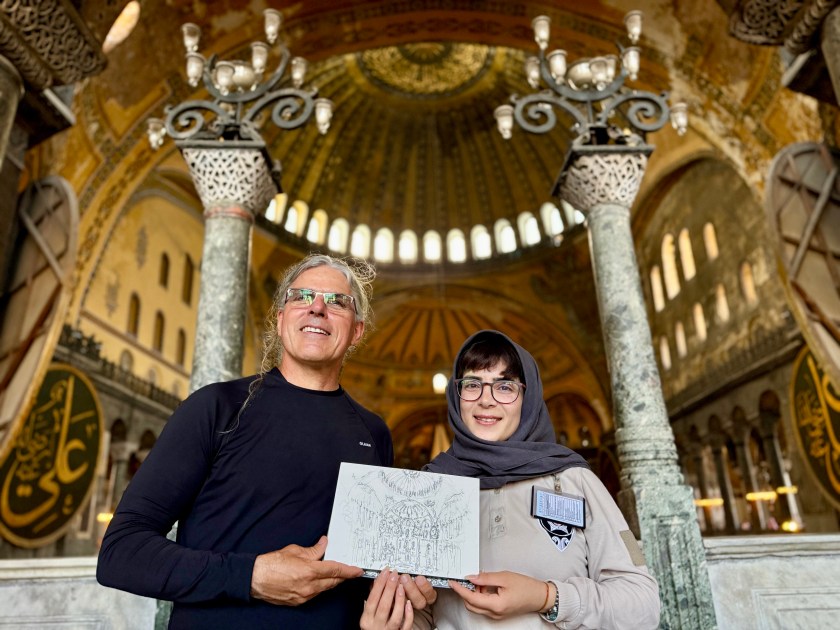
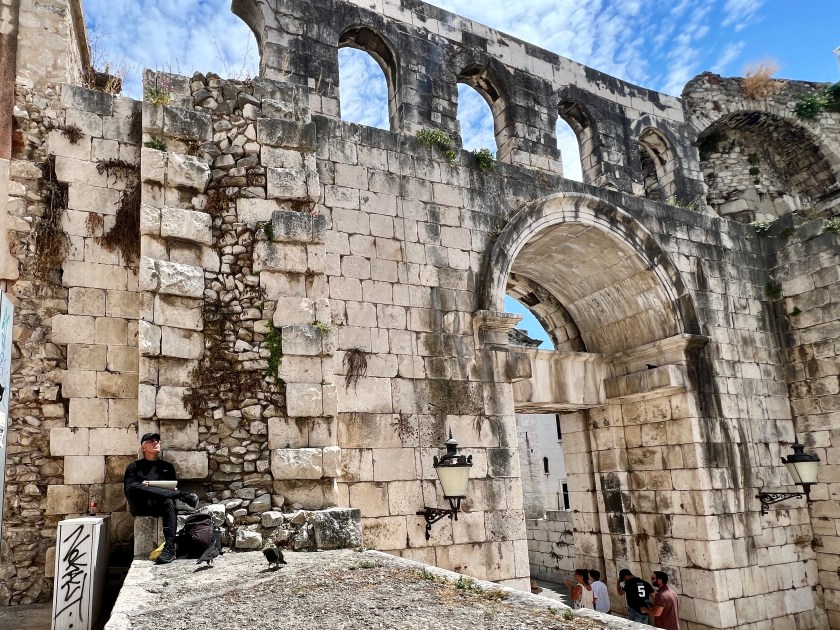
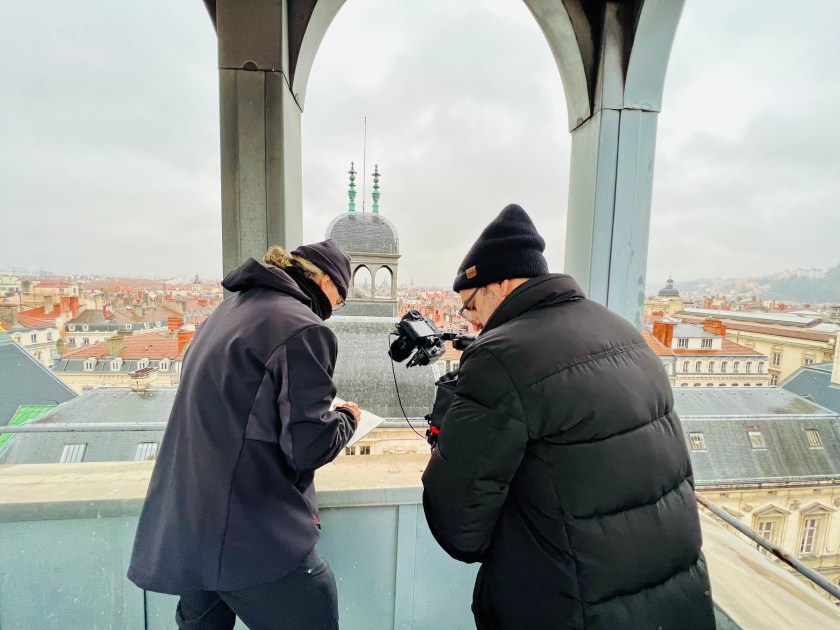
With patient eye and energetic line, Bailly captures the essence of these places, including the weather, time, atmosphere and light. The artist states, “I am forever aware that we are moving through time and place in a singular manner. The drawings are above all a documentation of a particular moment when engaged in the act of looking and making. Thoughts, situational factors, and distractions influence the process. Am I in direct sun? Is someone speaking to me? Is a place closing soon? Is it beginning to rain? The drawings are the reflection of a moment of existence at a certain time.” Unifying elements of Bailly’s graphite drawings are that they are always the same size, created on Arches watercolor paper, and must be completed in one sitting.
John William Bailly received his MFA in painting and printmaking from Yale University and has been a Faculty Fellow of the Honors College of Florida International University since 2004.
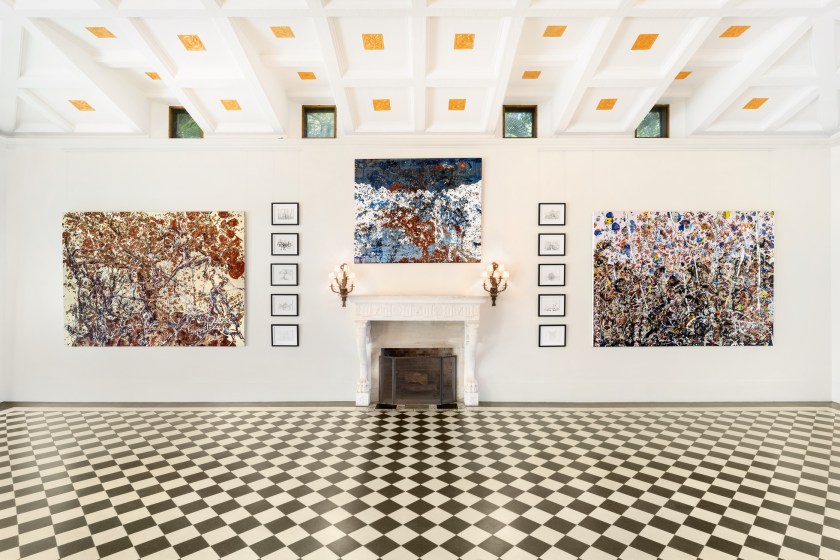
The In Situ drawings were exhibited at the Zillman Art Museum in 2025 and the Deering Estate in 2023.
email: baillyj@fiu.edu
Instagram: johnwbaillyinsitu



LAST UPDATE
04 September 2022
COPYRIGHT © ALL RIGHTS RESERVED
 John William Bailly